

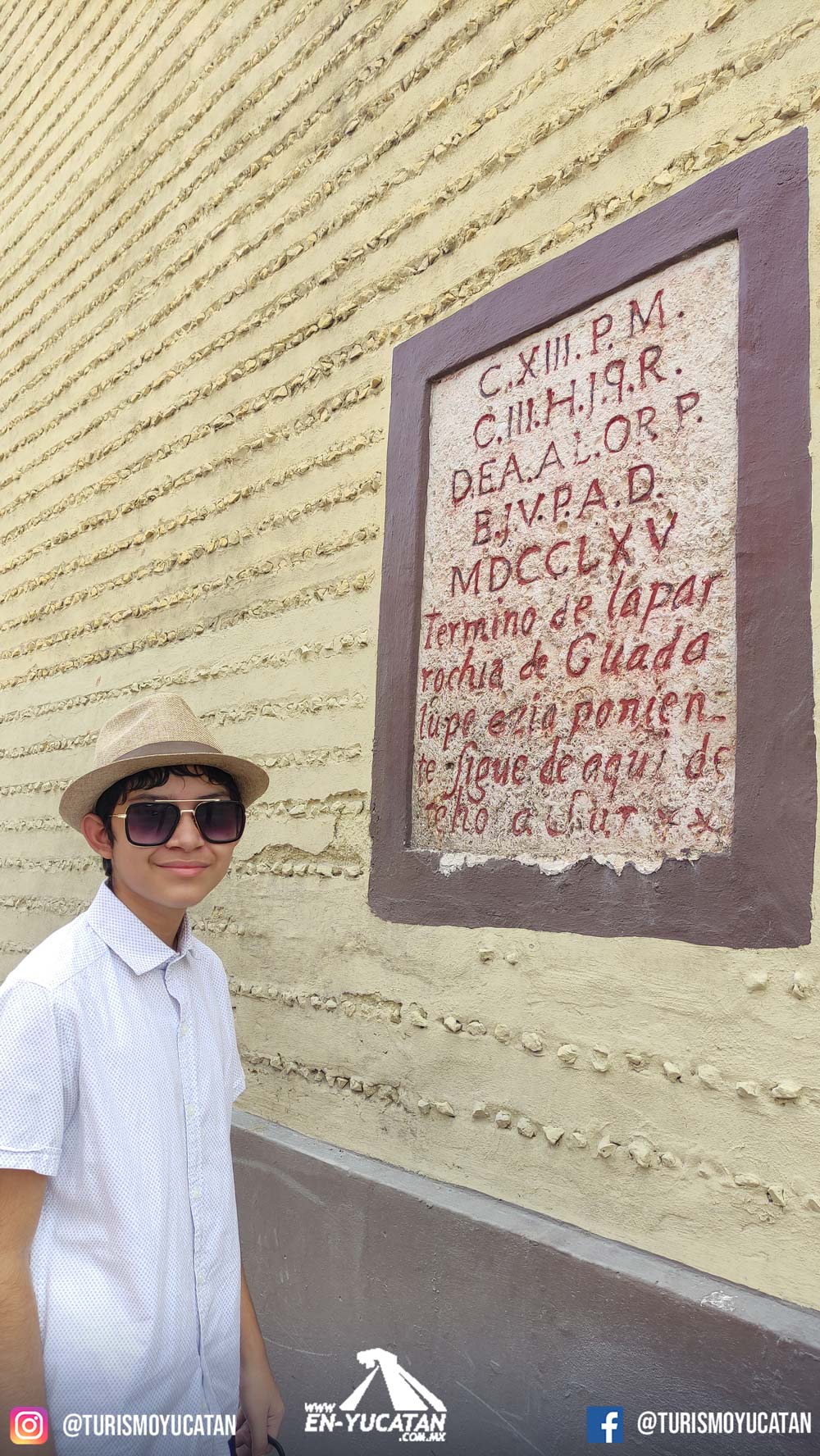
If you’re searching for the heart of the true Merida—where time seems to stand still amidst colorful facades and cobblestone streets—you must head south. Recently named the city's first "Magical Neighborhood," La Ermita de Santa Isabel is much more than a spot on the map; it’s a corner where colonial history, the legend of the *panucho*, and Maya traditions converge in a perfect embrace.
A Sanctuary for the Soul and Travelers
Formerly known as the hermitage of "Our Lady of the Good Voyage" (La Señora del Buen Viaje), this 17th-century temple was the mandatory final stop for those leaving Merida for Campeche via the ancient *Camino Real*. Travelers would pause here to pray for protection against the dangers of the jungle and, upon their return, to give thanks for a safe arrival home.
Today, that spirit of sanctuary remains. Upon entering the church, you'll discover a unique treasure: its Solomonic Baroque altarpiece. It is the only one of its kind surviving in the entire city—a masterpiece of cedar wood and gold leaf that has withstood wars and revolutions.
The Church
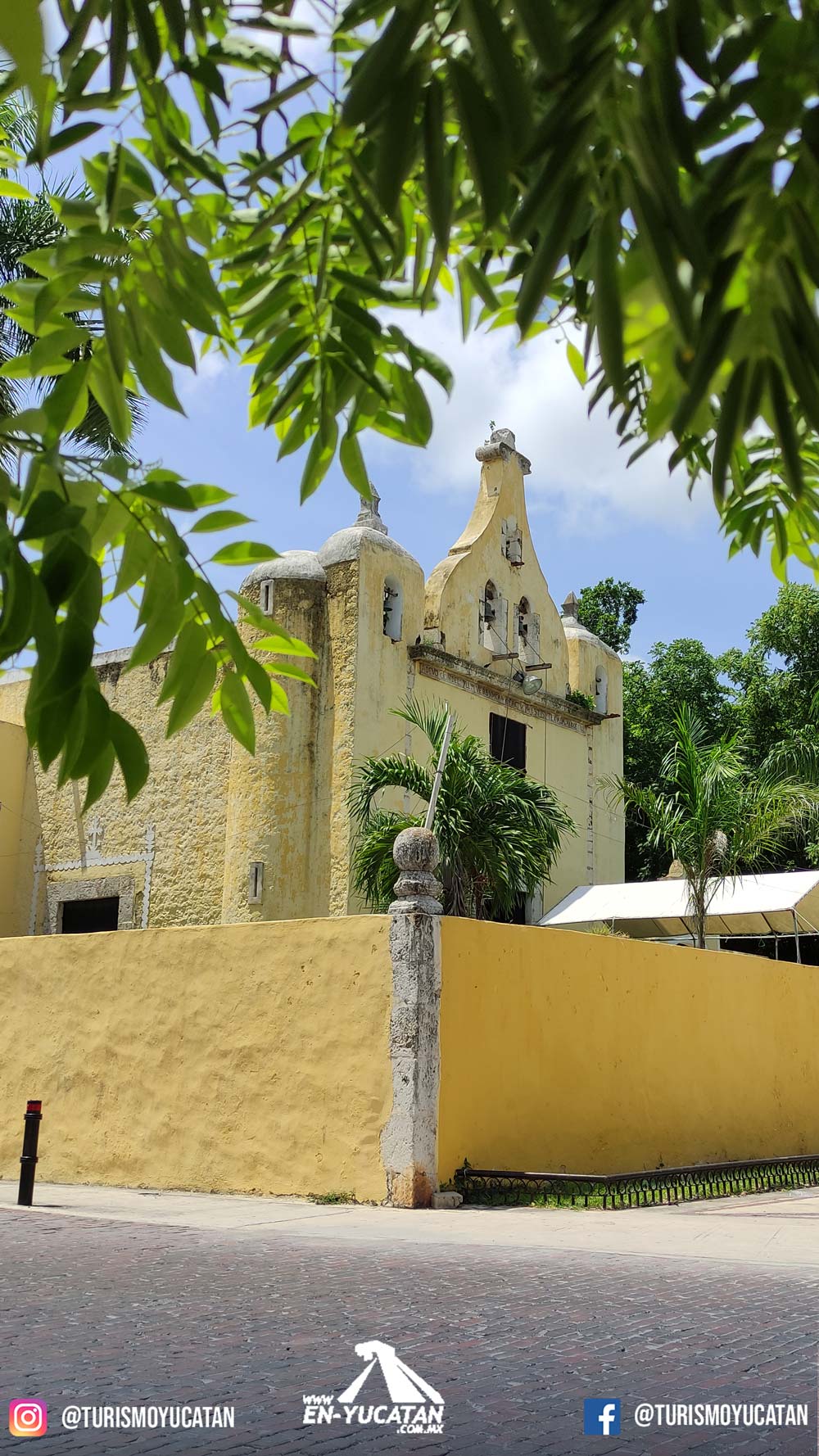
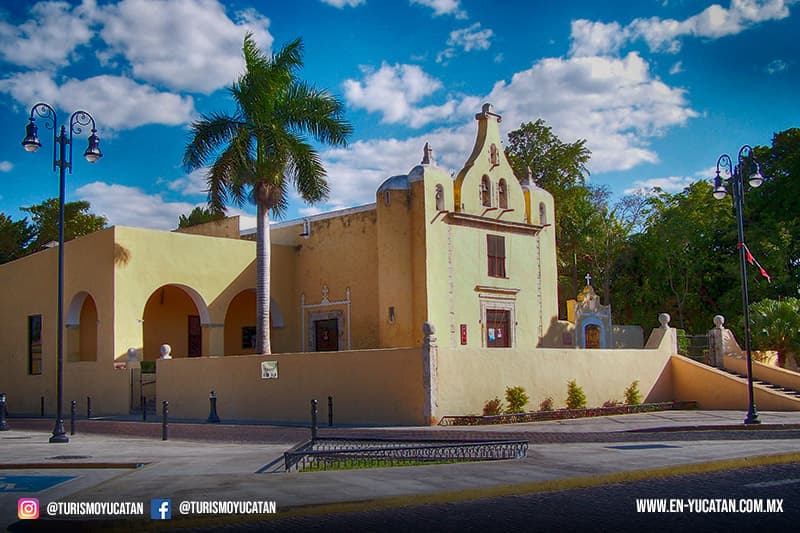
The La Ermita de Santa Isabel church is one of Merida’s most authentic colonial jewels, featuring a square facade topped by a pyramidal bell tower. Its interior guards an invaluable historical treasure: a late 17th-century Solomonic Baroque altarpiece, carved in red cedar and covered in gold leaf—the only one from its era preserved intact in the city after surviving centuries of conflict. Next to the temple, the old orchard and cemetery have been transformed into a serene botanical garden, an oasis of regional biodiversity where shaded paths and "confidante" benches invite reflection, keeping alive the peaceful atmosphere sought by ancient travelers of the Camino Real.
The Botanical Garden: An Oasis of Peace
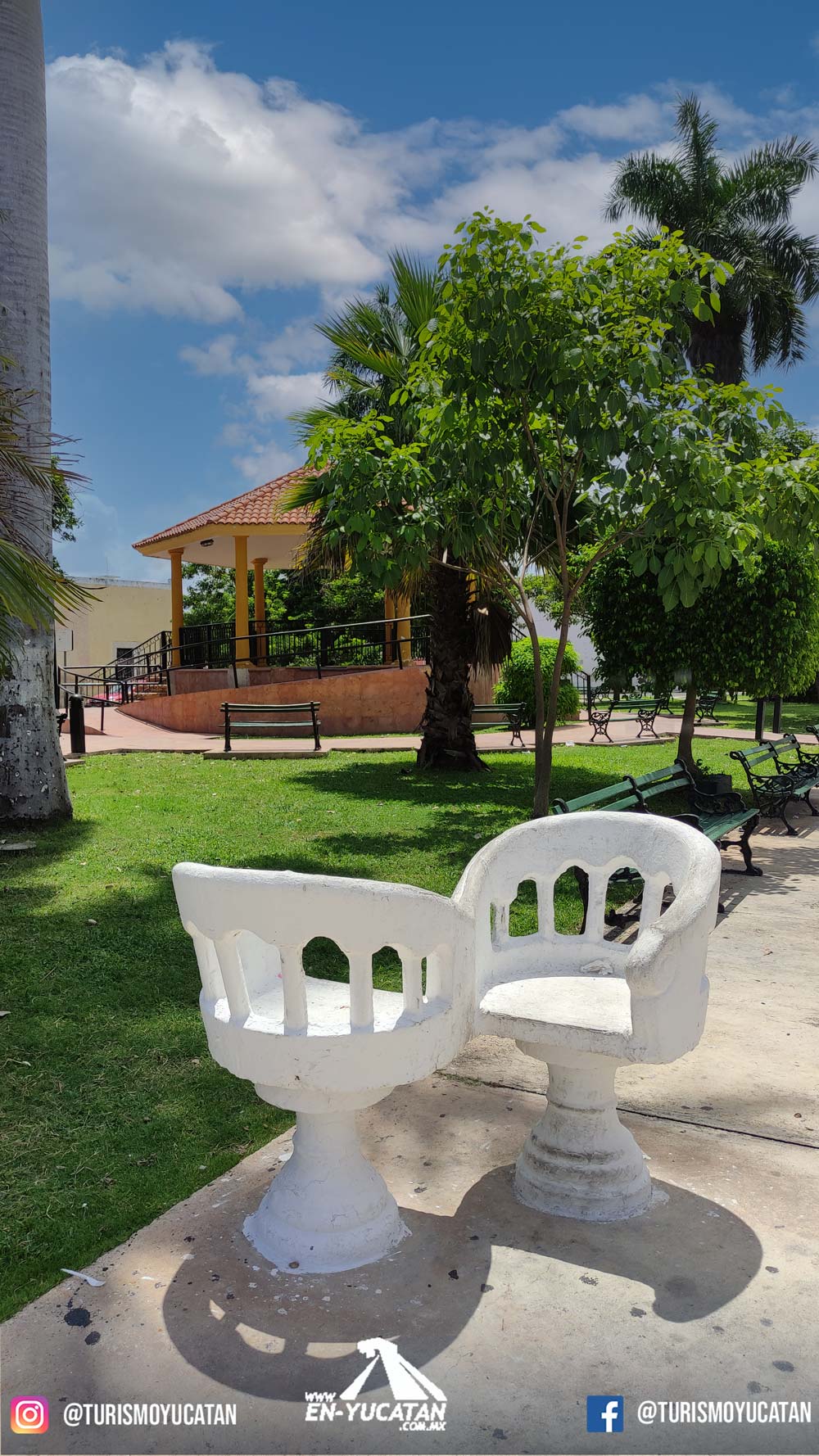
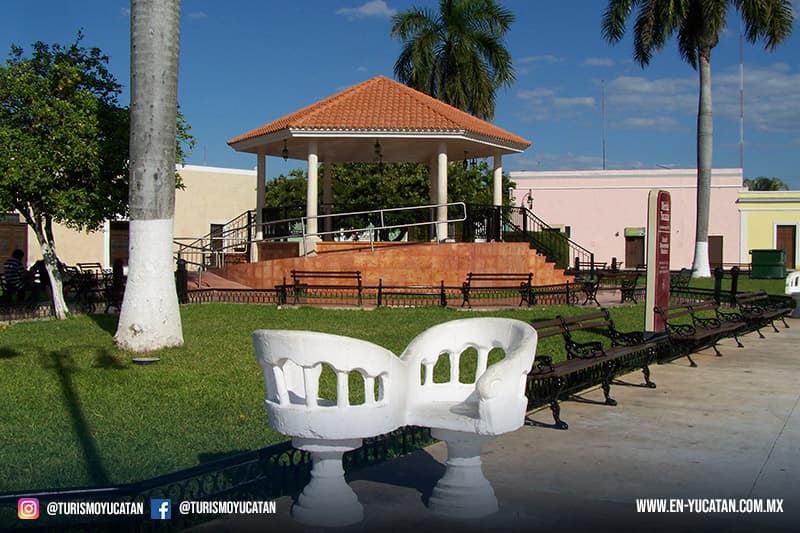
Tucked beside the temple is a botanical garden that looks like something out of a novel. What was once an orchard and cemetery is now a space filled with regional medicinal and ornamental plants. It’s the ideal place to sit in one of the famous "confidentes" (those white S-shaped chairs for two) and simply enjoy the silence, interrupted only by birdsong.
Magical Neighborhood
Designated: July 2023
La Ermita de Santa Isabel
Selected by the Mexico Ministry of Tourism (SECTUR) as Yucatan's first "Magical Neighborhood" (Barrio Mágico), alongside Xcalachén and San Sebastián. This title recognizes corners that fuse history, culture, and gastronomy, representing the true identity of our city.
Why does it matter?
This designation drives conservation efforts, facade painting, and international tourism promotion, ensuring that the essence of "Our Lady of the Good Voyage" endures for future generations.
Ermita Park: Kiosk and Confidantes, the Pulse of the Neighborhood
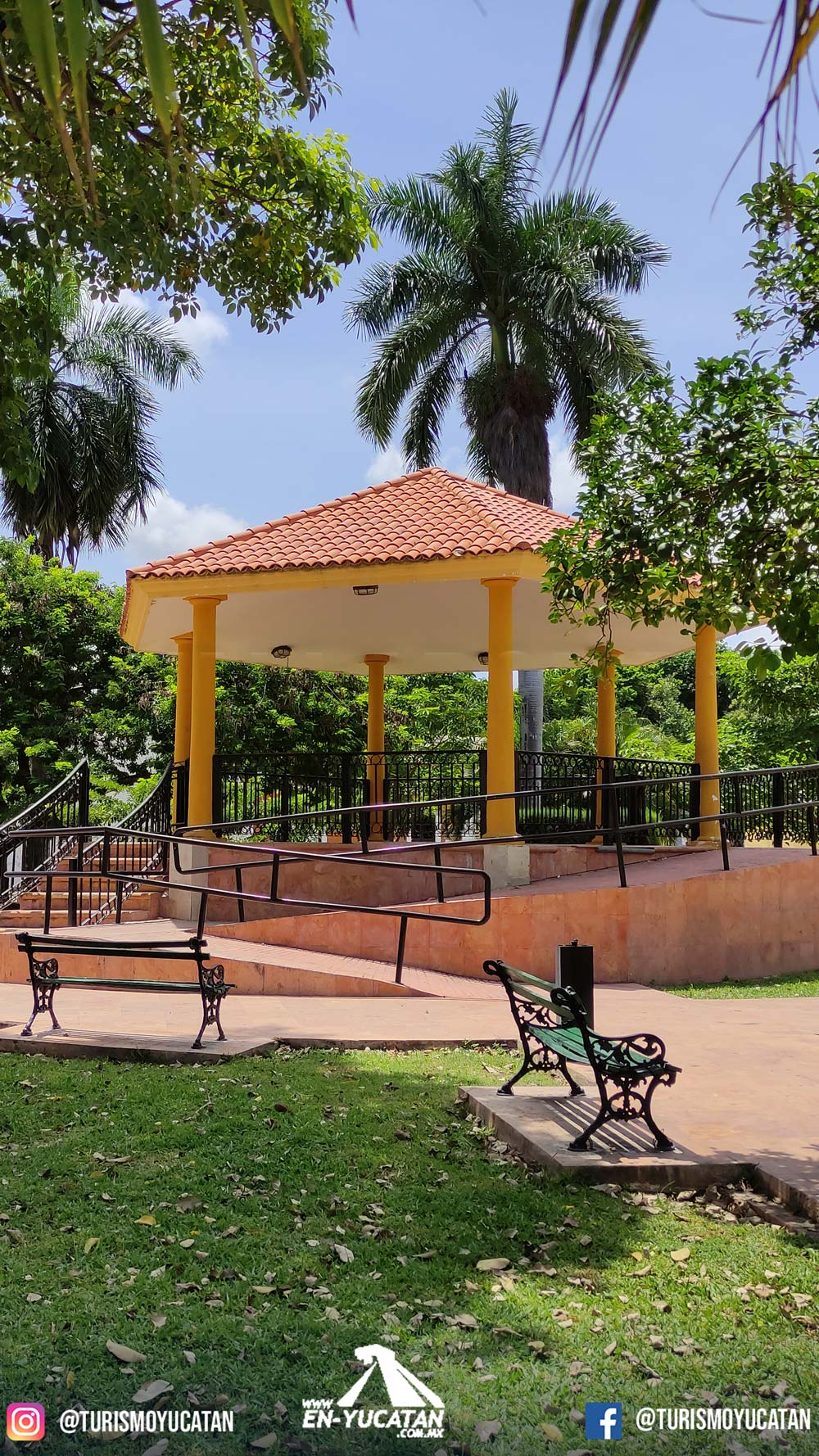
Ermita Park is the social heart of the neighborhood, a space that breathes tranquility with architecture that invites you to rest under the shade of its trees. At its center stands a picturesque traditional kiosk, serving as a meeting point and stage for cultural events. However, the true hallmark of the park is its "confidante" chairs (or "tú y yo"): those iconic white double seats designed in an "S" shape so people can talk face-to-face while maintaining a romantic closeness. Sitting in them as the sun goes down is the most authentic way to immerse yourself in Merida's customs, enjoying the breeze and the view of the temple's imposing yellow facade.

Did you know the red bricks aren't French?
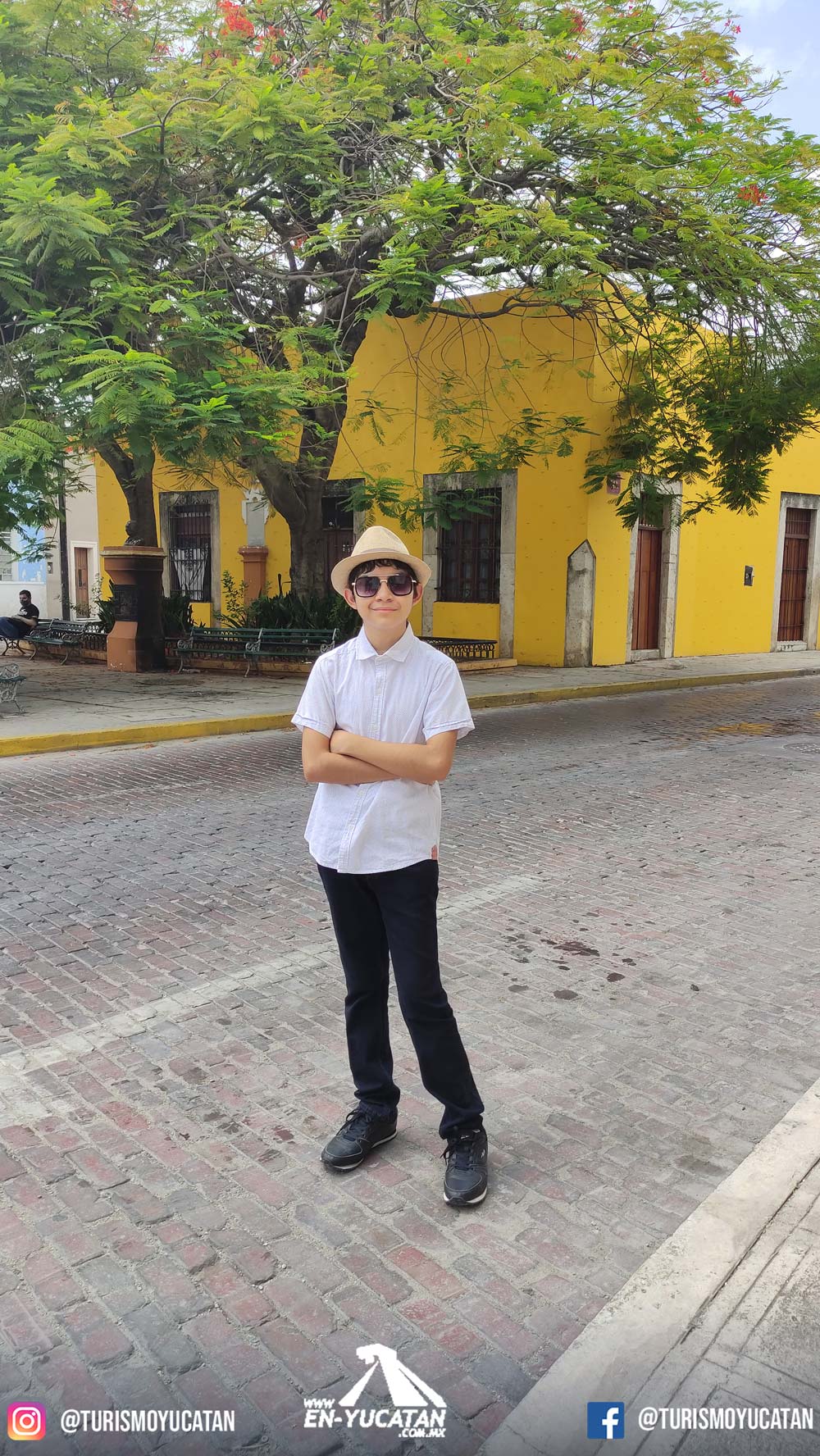
There is a local myth that the characteristic red flooring of La Ermita came from France. However, the technical history is just as fascinating: they are vitrified clay bricks brought from Ohio and Chicago in 1902.
They were installed during the peak of the "green gold" era (henequen) to modernize the city and prevent mud. Today, these bricks are not just aesthetic; they act as a natural speed regulator, ensuring the neighborhood maintains that slow, pedestrian-friendly pace that visitors fall in love with.
The Birthplace of the Panucho: A Mandatory Stop
You can't say you visited La Ermita without trying a *panucho* at its place of origin. Legend has it that a merchant nicknamed "Don Ucho" improvised this dish for a hungry traveler, using a tortilla with beans and egg. Over time, "Don Ucho's bread" (Pan de Don Ucho) became the delicacy that is now a symbol of Yucatecan gastronomy.
Travel Tip: If you visit Merida in November, don't miss the Panucho Festival, where the neighborhood fills with flavor and community celebration.

Traditions That Come to Life
La Ermita is also the epicenter of the Paseo de las Ánimas (Procession of the Souls) during Hanal Pixán (Day of the Dead). Seeing the streets lit by thousands of candles, with people dressed in regional gala and faces painted as skulls, is a mystical experience that connects you directly with the Maya worldview.
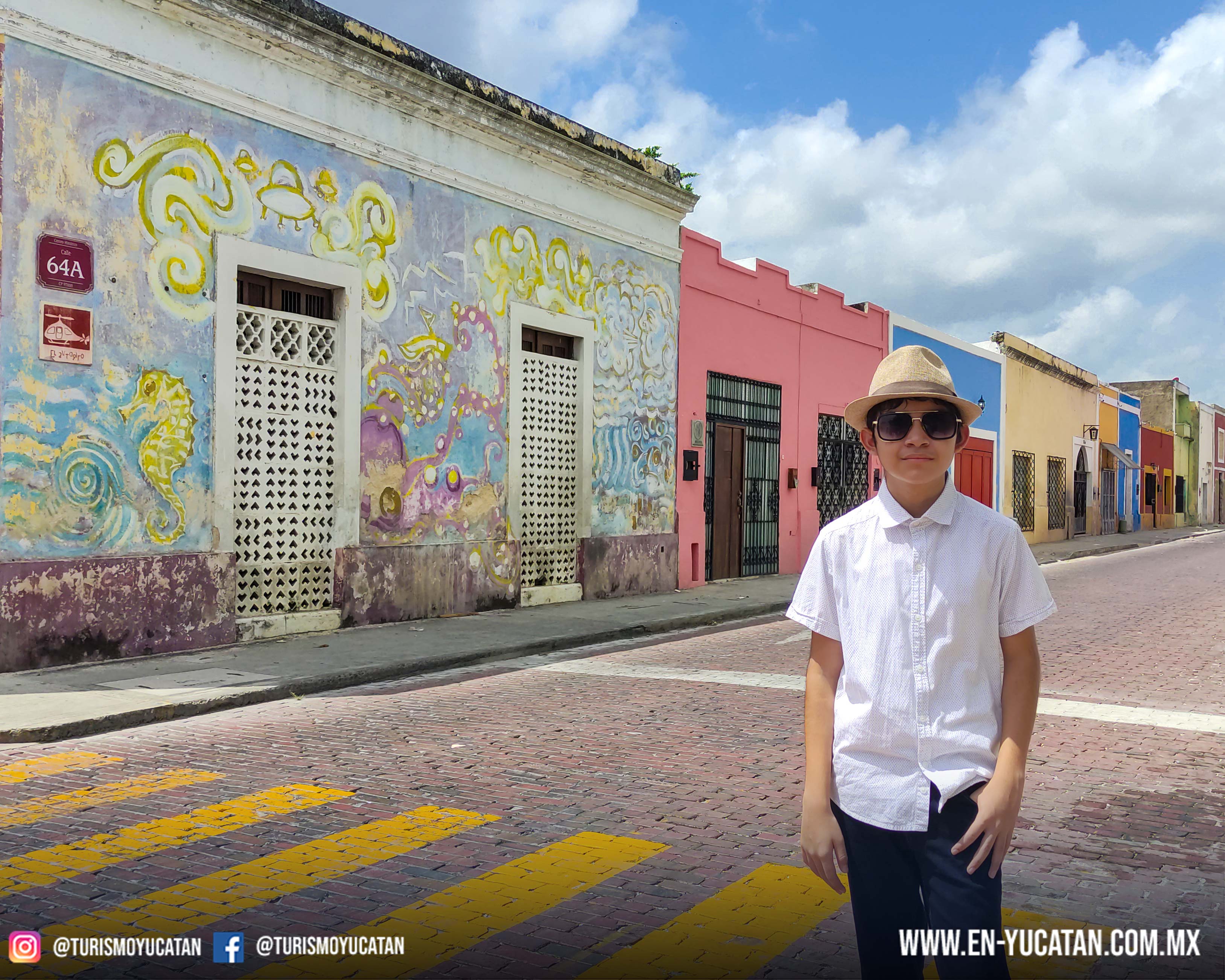
Additionally, on 64-A Street, you'll find the Municipal Institute of Maya Culture, ensuring the language and roots of this land continue to vibrate in every corner of the neighborhood.
Why visit La Ermita today?
While northern Merida grows with modern shopping malls, La Ermita stands as a bastion of authenticity. It’s the place where neighbors still chat at the doorsteps of their high-ceilinged mansions as the sun sets.
Whether you're looking for the perfect photo under its colonial arches, want to learn about the city's history, or simply wish to get lost on a Sunday stroll during the *Biciruta*, La Ermita de Santa Isabel awaits to show you the purest soul of the "White City."


How to get to the Magical Neighborhood?
Getting to La Ermita from the Plaza Grande is a very simple and picturesque stroll. Just find 64th Street (which runs alongside the Cathedral and City Hall) and walk south (against the flow of traffic). After about 8 or 9 blocks, you'll notice the pavement change to the iconic red brick and the facades become more colorful; that is the heart of the Magical Neighborhood. If you'd rather not take the 15-minute walk, you can grab a taxi or Uber that will drop you at the temple's door in under 5 minutes.
Practical Guide for Visitors
- Location: Corner of 66th x 77th Street, Historic Center. A few blocks from the TAME bus terminal.
- Best Time to Visit: At sunset (6:00 PM) to see the warm lights illuminate the cobblestones and the church facade.
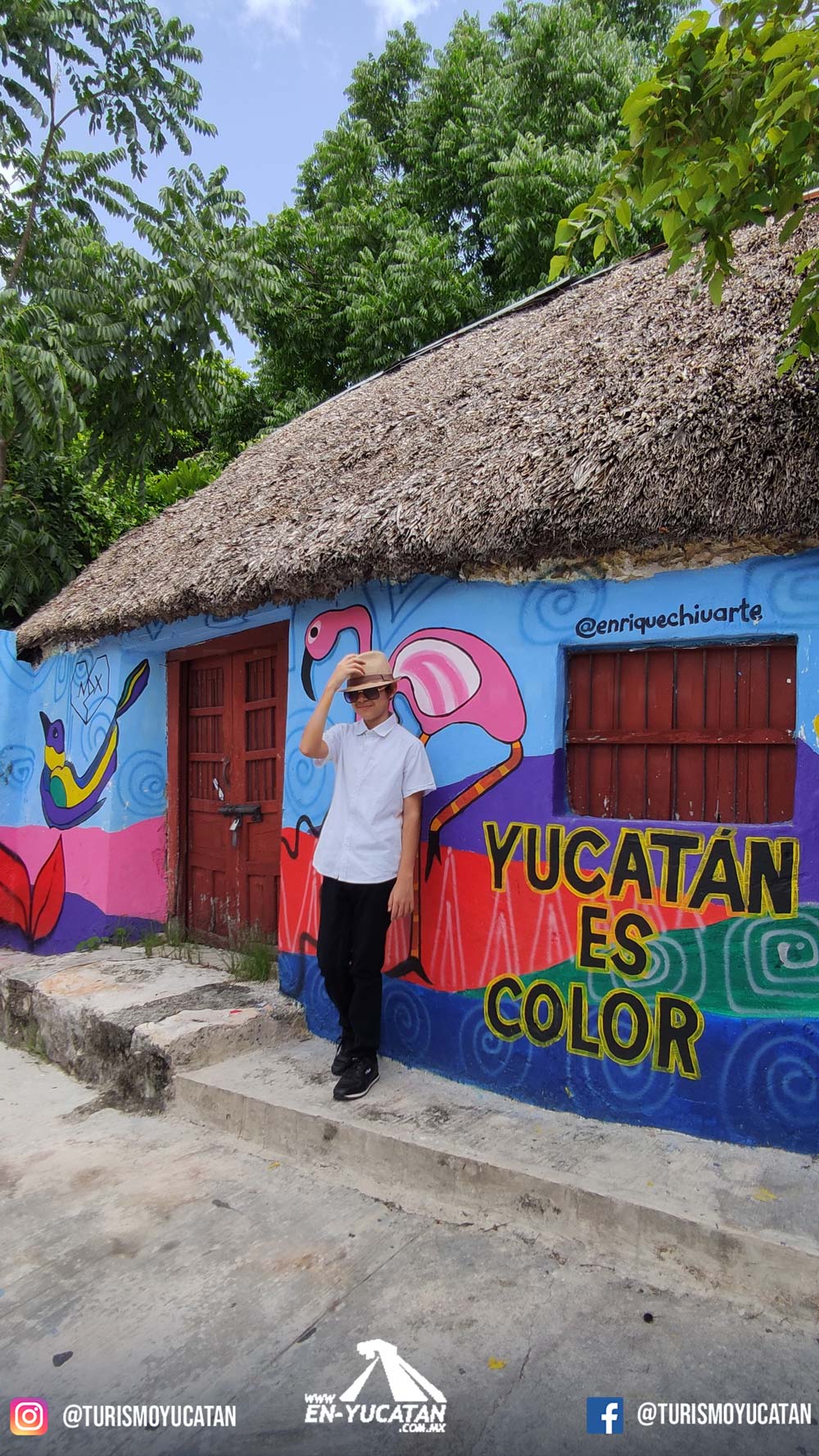
- Unforgettable Photos: Don't forget a shot in the confidante chairs, the kiosk, the church steps, and in front of the colorful house facades.
- Events: La Noche Blanca (markets and music), Hanal Pixán altar display (November), and the Panucho Fair.
- Local Tip: Don't miss the panuchos at the San Sebastián market, just a couple of blocks away.