

The Yucatán Peninsula is renowned for its rich culture and natural beauty, but one of its most stunning treasures is undoubtedly the cenotes. These geological formations are natural freshwater sinkholes formed when the ceilings of limestone caves collapse. Cenotes are not only visually captivating but also hold significant cultural and historical importance. For the ancient Maya, these sacred wells were believed to be gateways to the underworld.
What are Cenotes?
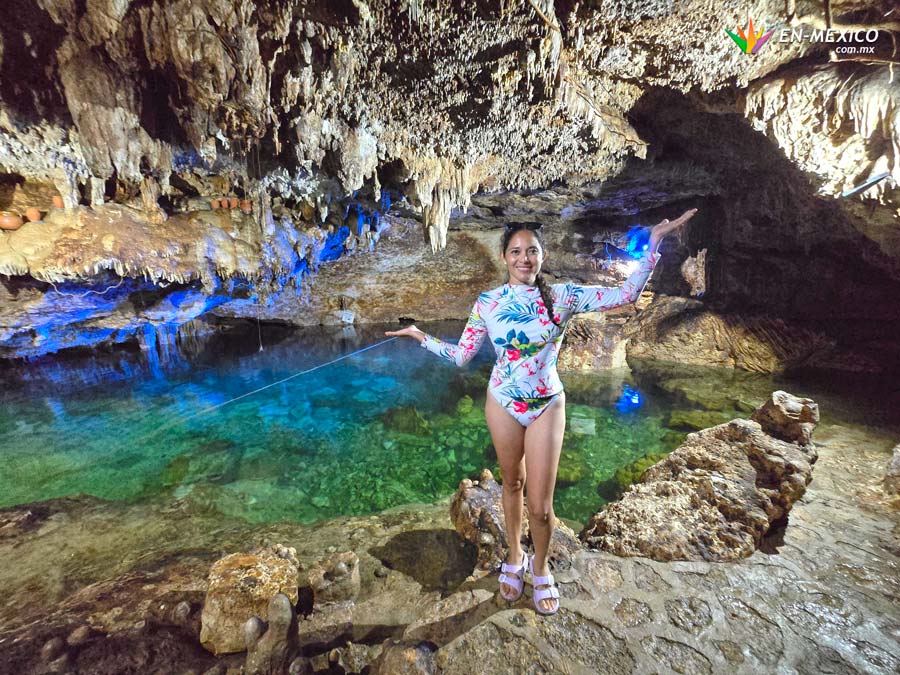
A cenote is a natural cave or sinkhole, typically filled with clear, fresh water. These formations are connected to underground rivers, which keep their waters fresh and crystal clear. It's estimated that Yucatán is home to over 7,000 cenotes, though not all have been explored or opened to the public.
Cenotes can be categorized into different types, depending on their shape and exposure to the elements:
- Open cenotes: Resembling natural pools or open-air ponds.
- Semi-open cenotes: Partially covered by a cave, with some exposure to sunlight.
- Closed cenotes or cave cenotes: Completely covered by rock, creating a mystical atmosphere.
Yucatán Towns with the Most Cenotes

If you’re planning to explore the cenotes of Yucatán, there are several towns you should add to your itinerary. These areas boast some of the highest concentrations of cenotes:
Cuzamá: Famous for its “cenote route,” Cuzamá offers the chance to visit multiple cenotes in one trip, traveling on traditional horse-drawn rail carts called “trucks.” Some of the top cenotes here include Cenote Chelentún, Cenote Chansinic'che, and Cenote Bolonchoojol.
Homún: Known as the "capital of cenotes," Homún is home to dozens of cenotes, ranging from popular tourist spots to hidden gems. Some must-see cenotes include Cenote Yaxbacaltún, Cenote Santa Bárbara, and Cenote Tza Ujun Kat.
San Antonio Mulix: Located near Mérida, this small village offers access to serene cenotes like Cenote X'batun and Cenote Dzonbacal, perfect for those seeking tranquility and natural beauty.
Tecoh: Tecoh is home to several cenotes that are still relatively undiscovered by tourists, making it an ideal destination for those looking for a more off-the-beaten-path experience. Notable cenotes include Cenote Noh Mozón and Cenote Kankirixche.
The Most Popular Cenotes
While every cenote has its own charm, some stand out for their beauty, accessibility, or historical significance. Here are a few of the most popular cenotes among visitors:
Cenote Ik Kil: Located near Chichén Itzá, this semi-open cenote is surrounded by lush vegetation and is perfect for a refreshing swim after exploring the nearby archaeological site.
Cenote Dos Ojos: Located in the Riviera Maya, this cenote is famous for its crystal-clear waters and extensive underwater cave system, making it a prime destination for divers.
Cenote Sagrado at Chichén Itzá: While you can’t swim in this cenote, its historical significance makes it a must-see. The ancient Maya used this sacred cenote for rituals and offerings to the gods.
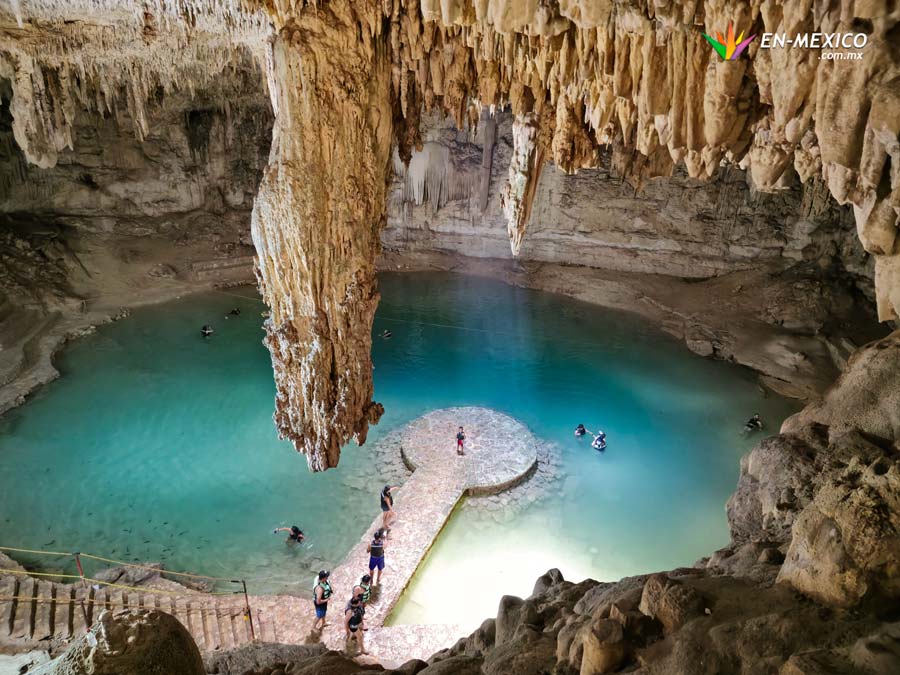
Cenote Suytun: Famous for its Instagram-worthy photos, Cenote Suytun features a stone platform beneath a beam of light that shines through the cave’s ceiling. Located in Valladolid, it’s one of the most photogenic cenotes in the region.
Cenote Xlacah: Situated within the archaeological zone of Dzibilchaltún, this is one of the few cenotes where you can swim while surrounded by ancient ruins, offering a unique experience.
Plan Your Cenote Adventure
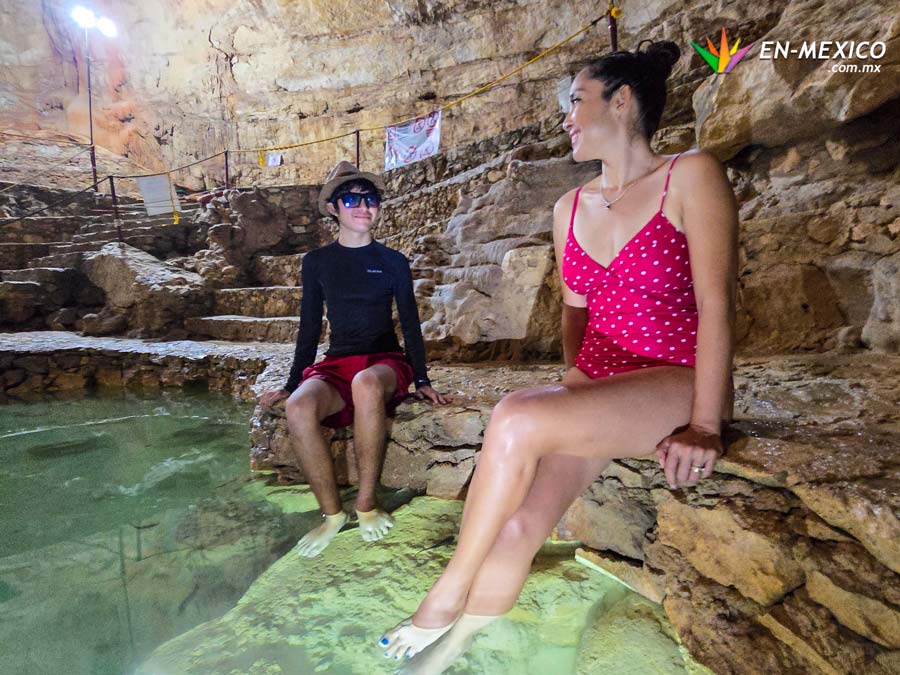
Visiting the cenotes of Yucatán is a magical experience that connects you not only to nature but also to the region’s rich history and culture. Each cenote has its own unique personality, offering something different—from diving into the depths of a cave cenote to relaxing in the crystal-clear waters of an open cenote.
No matter which one you choose, a visit to these natural wonders will transport you to another world where nature and history converge in perfect harmony. So pack your swimsuit and get ready to discover the cenotes of Yucatán!